WORLD REFUGEE DAY: MSF launches a new mental health intervention at Tongogara Refugee Camp

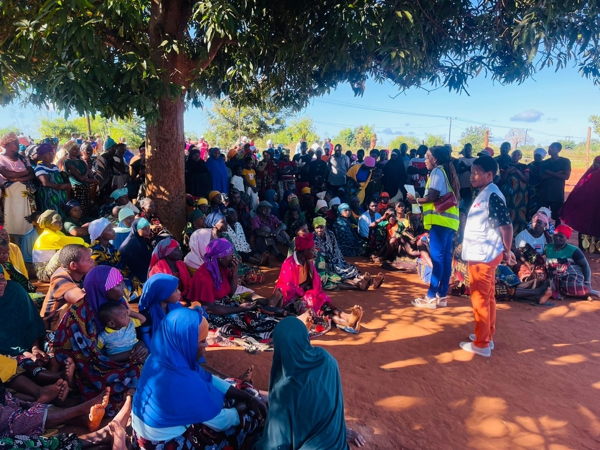
Chipinge, 20 June 2022: Today on World Refugee Day, the international medical humanitarian organisation, Medecins Sans Frontieres / Doctors Without Borders (MSF) launches a new mental health intervention at Tongogara Refugee Camp (TRC) in Chipinge, Zimbabwe, a place that has become home to nearly 15,000 refugees. Many refugees living in TRC fled war, conflict and unrest across the Great Lakes and Horn of Africa. A majority of them come from the Democratic Republic of Congo (DRC), Rwanda, Burundi, Somalia, Mozambique Ethiopia, and Eritrea.
Most of the refugees have faced many traumatic events whilst in their home countries due to war and conflict. The distress emanating from these events and other stressors are affecting their mental well-being. Life in the camp rarely gives them hope for the future, as chances of resettlement to other countries are limited for various reasons and, integration into the society requires process and need more livelihood programs[1]. As a result, most refugees have stayed longer in the camp and feel idle, which causes distress and a feeling of hopelessness for some.
“The people living in this camp were exposed to different kinds of trauma, from fleeing war zones, separating from family, grief, human rights violations and several other stressors that they find in their countries of origin, and this translates into psychological pressures which might then affect their overall mental well-being. In addition, prolonged stay in the camp makes many worried and anxious about their future,” says Janet Mukurumbira, MSF Mental Health Activity Manager at Tongogara Refugee Camp.
While the need for mental health services is high, the MSF team noted people’s natural resilience which comes from being positive and innovative. This has contributed to making their lives more cheerful and MSF teams strive to strengthen this natural resilience.
The new MSF intervention focusing on strengthening the refugees’ coping mechanisms and natural resilience at individual, family and community level, was born out of an assessment conducted by MSF teams at the refugee camp in 2021. The assessment revealed that, despite the availability of basic services such as education, food, water and healthcare in the camp, mental health support remains a priority as they are still grappling with past traumatic events caused by war and conflict.
“To better understand the camp population and establish a relationship with them, MSF conducted a formative anthropological survey earlier this year. By doing so, we now better understand the mental health issues affecting the population and we continue to engage with them to help identify activities which would make them feel good, useful, and positive and would contribute to their mental well-being,” adds Mukurumbira.
The intervention also focuses on non-specialised care, which includes psychological first aid, peer support, and community engagement, including empowerment activities.
“As MSF we saw it fit to come in and join other partners in their work in TRC by providing this important aspect of improving their well-being by having these recreational and psychosocial activities and teach them basic skills like breathing and stress management amongst others,” she adds.
The activities being implemented by MSF at the refugee camp have a participatory approach, where refugees take part in the designing of activities. This will ensure community ownership, sustainability and continuity of the project when MSF handover the project to the community and the other camp actors to support the community.
Currently, MSF is finalising the construction of a one-stop centre that will provide psycho-social and recreational activities for the people living in the camp.