SOUTH AFRICA: Flash floods survivors are thirsty, traumatised and exposed to disease
The sun has shone almost every day since flash floods tore through the KwaZulu-Natal province’s most populous urban areas on 11 April, but for many people the suffering continues. Large parts of the eThekwini Municipality around the coastal city of Durban, remain without water and sanitation, with no indication of when these services will be restored.
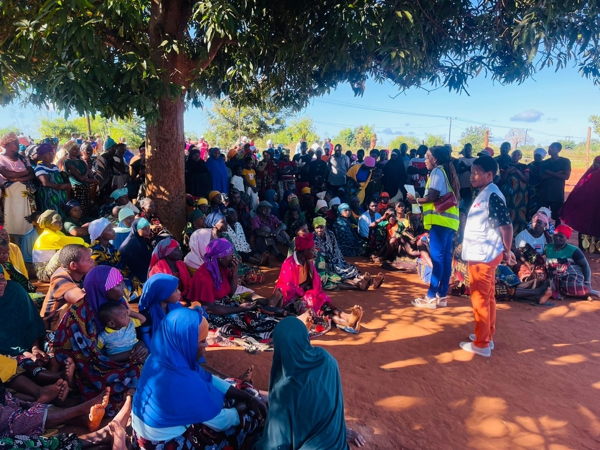
“What we are now seeing is a clean water supply crisis alongside a sanitation and water treatment crisis, creating the conditions for a potential medical crisis,” says Sean Christie, Doctors Without Borders (MSF) emergency team coordinator. For the last two weeks, MSF teams have been delivering medical services and water and sanitation solutions to more than 30 shelters where thousands of people who lost their homes are staying.
To date, MSF has installed more than 20 water tanks and 60 toilets in shelters that are typically overcrowded, unelectrified, without toilets or lack running water. Gradually, water and sanitation conditions in many shelters are improving, but the situation is far from stable.
“The water truck didn’t come today,” says Nozipho Sithole, a shelter resident. “We have food, but the shelter’s two large water tanks have been empty all day. It is not only us using the tanks – the entire community is without water. We are all thirsty,” she says, adding that shelter residents are also in great need of medical attention.
Nothando Nkosi, an MSF nurse working with a mobile health unit currently serving shelters, says the risk of both waterborne and airborne diseases is high. “In communities where clean water provision and sanitation has collapsed there is a high risk of health issues, including acute watery diarrhoea, cholera, hepatitis, typhoid fever and infections of the skin or eyes.” Fortunately, so far, Nothando and her team have not seen unusually high numbers of gastrointestinal disease.
“South Africa is also entering the fifth wave of COVID-19 infections, and large numbers of people in the shelters are presenting with cold and flu symptoms – more than 20 per cent of all cases we have seen for two days running. There is no social distancing or mask wearing inside these shelters and very few people have had the vaccine. It’s worrying,” she says.
Two MSF medical teams are supporting the Department of Health and eThekwini Health’s shelters outreach response. Each team comprises a doctor, nurses, a registered counsellor and two community health workers who supply shelter residents and members of the surrounding communities with information on disease prevention.
“Community engagement around disease prevention and the availability of services at shelters is going to be vital, as many people who lost their homes and livelihoods are still in the community, staying with friends and family. Many people also lost their chronic medication in the floods,” says Dr Manivasan Thandrayen, MSF’s medical team leader.
“We visited a shelter in KwaNdengezi where only 25 people sleep at night, but 78 families come and get meals there during the day. What conditions are those 78 families facing daily? We know most have no food, that they live in crowded houses without proper sanitation, and many take their water
directly from the environment, from springs and rivers. Many people are traumatised and bereaved, and many have lost everything in the floods including chronic medication.” Thandrayen says.
Sitting on a small retaining wall outside Ntuzuma “A” shelter, surrounded by blue plumbago shrubs, Nozipho says she looks forward to being able to sleep again. “We saw many people die that night, and my 10-year-old son and I haven’t been sleeping. My 74-year-old mother isn’t sleeping because she keeps hearing the screams of our friends and neighbours during the flash floods.” To cope, Nozipho says residents sing songs late into the night. “It’s how we are dealing with the loss, the living conditions and the fact that we must fight for something as simple as water each and every day.”
Lack of sleep and flashbacks come up regularly in the sessions MSF counsellors have been conducting with shelter residents. Body aches, muscle pains, headaches and bouts of confusion are commonly reported, too, and according to MSF counsellor Nadia van der Walt, “every time it starts raining, the fear is really intense, with some of the children trying to run away and hide, fearing that the same thing is going to happen again.”
For van der Walt it is the resilience of the shelter residents that is most remarkable. “People are feeling overwhelmed about the work it will take to rebuild their lives, but nobody I have spoken to has said they feel hopeless, in the sense of having lost the will to live, and that is extremely encouraging.”
.jpeg) MSF has provided kits comprising these non-food items to more than 500 individuals, and to free shelter residents from dependence on food packs
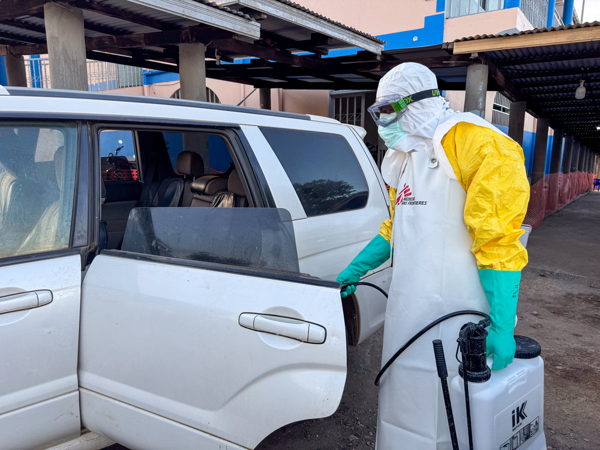
MSF has provided kits comprising these non-food items to more than 500 individuals, and to free shelter residents from dependence on food packs.jpeg) MSF team has been supporting some clinics with water storage solutions and to guard against disease outbreak in the aftermath of the floods MSF has installed 25 portable toilets at three shelters, and provided four water tanks for potable water storage.
MSF team has been supporting some clinics with water storage solutions and to guard against disease outbreak in the aftermath of the floods MSF has installed 25 portable toilets at three shelters, and provided four water tanks for potable water storage..jpg)