SAVE THE DATE: Webinar: Free healthcare in South Africa – what the law really says

SECTION27 and partner organisations to launch an online publication titled: ‘Free healthcare services in South Africa: A case for all mothers and children, at a webinar on 14 November 2022

04 November 2022, Johannesburg - SECTION27 and partner organisations will launch an online publication titled: ‘Free healthcare services in South Africa: A case for all mothers and children, at a webinar on 14 November 2022.

This publication follows SECTION27’s court application after receiving complaints from pregnant women and mothers of young children who were denied access to free healthcare or were required to pay fees to access healthcare services at public hospitals in Gauteng. The booklet is a collaborative effort between SECTION27, Jesuit Refugee Service, Lawyers for Human Rights, Doctors without Borders, Treatment Action Campaign and Centre for Child Law.

The webinar will focus on what the law says about free healthcare services for people in South Africa. In addition, it will tackle facts and myths surrounding access to healthcare services, including whether or not migrant persons burden the South African healthcare system. The panellists will also give perspectives on the medical consequences of denying people primary and emergency healthcare and the plight of undocumented children in accessing healthcare services.

Webinar Details:  

Title: Free healthcare in South Africa: What the law really says

Date: 14 November 2022

Registration Link: https://tinyurl.com/MaternalHealthWebinar

Speakers to be announced soon!


For more information: Pearl Nicodemus | nicodemus@section27.or.za | 0822982636

Media Advisory - Maternal and Child Healthcare webinar and launch.docx

DOCX 413 KB

Angela Makamure

Media Liaison and Southern Africa Links Co-ordinator, Doctors Without Borders (MSF) Southern Africa

Share

Latest stories

Website preview
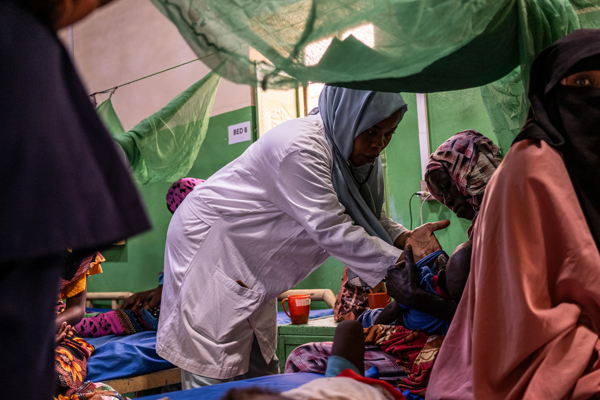
Sudan: Patients are still here, but the clinics they need are disappearing
Across Sudan, war continues to drive hunger, disease and displacement, while international aid funding cuts by governments are closing clinics and stripping medicines from the shelves of those that remain. The distance between illness and treatment is growing. Doctors Without Borders (MSF) can keep some services open. We cannot replace a shrinking health system.
msf-sa-press.prezly.com
Website preview
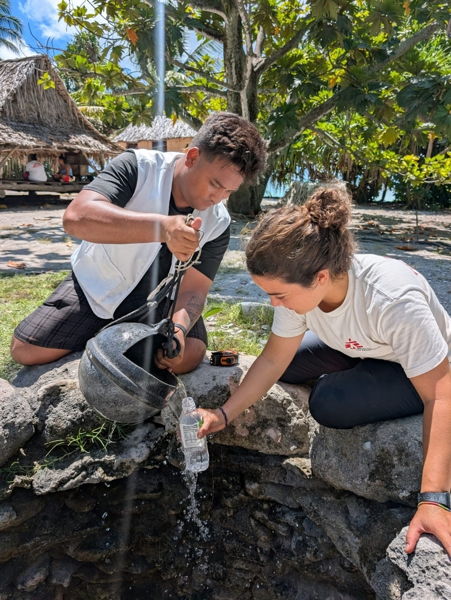
Kiribati: ‘Water is life’, a lived experience of communities hit by climate change
At Tabontebike Primary School on the remote atoll of Abaiang, Kiribati, the school bell rings out, signalling the start of recess. Children stream out from classrooms, bare feet racing towards the shade of breadfruit trees through the mid-morning humidity.
msf-sa-press.prezly.com
Website preview
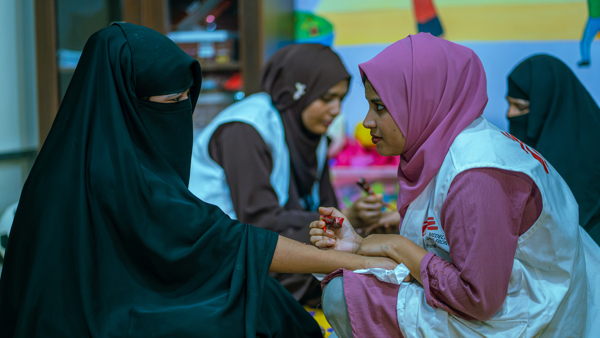
Bangladesh: Children arrive sicker, later, and harder to save in Rohingya camps
In the sprawling, overcrowded refugee camps of Cox’s Bazar, Bangladesh, a crisis far from the headlines is taking a severe toll on the youngest generation of Rohingya refugees. Children are arriving at medical facilities later, sicker, and with complex, overlapping physical and psychological health needs.
msf-sa-press.prezly.com

About Doctors Without Borders (MSF) Southern Africa

Contact

70 Fox Street, 7th Floor Marshalltown, Johannesburg South Africa

011 403 4440

DL-JNB-Joburg-Press@joburg.msf.org

www.msf.org.za