Mozambique: Three new developments in the Cabo Delgado crisis
The northern province of Cabo Delgado is one of Mozambique’s most volatile regions, the scene of an intense conflict since October 2017, resulting in some 800,000 people fleeing from their homes. These are the latest developments.
1. The violence has moved south, leading to new mass displacement
Throughout June, fear of violence followed by confirmed attacks have triggered panic and mass movements of people from areas near the provincial capital Pemba that were previously considered relatively stable, such as Ancuabe and Chiure districts. More than 30,000 people are thought to be on the move as a result of the ongoing wave of violence.
This is the largest movement of displaced people so far this year. Many people have fled multiple times, forced on each occasion to abandon their few possessions and means of survival.
Over the past year, Mozambican armed forces and regional allies have increased their presence in a number of regions. The hotspots of the violence have shifted geographically, and people have begun to return to places that came under attack previously or were under the control of non-state armed groups.
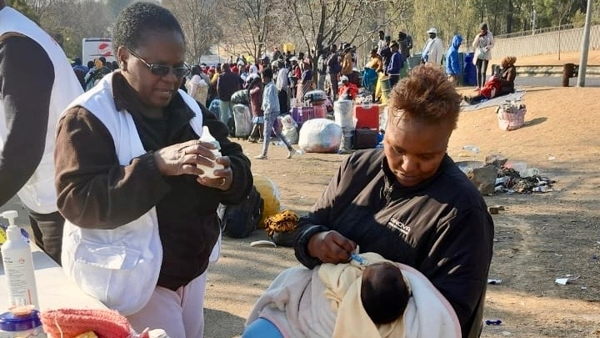
The situation remains very fluid. MSF teams are distributing relief items in various locations where people are sheltering following recent attacks, such as Ntele, in Montepuez district, where more than 1,000 families arrived in late June. Most arrived with few or no possessions and experiencing great psychological distress. So far, MSF teams have distributed 701 kits containing essential relief items including tents, jerrycans, cooking pots and mosquito nets. MSF teams continue to provide assistance in areas with established MSF projects such as Macomia, Mueda and Palma.
2. People’s humanitarian needs are enormous, but aid is in short supply
Some areas in Cabo Delgado province already hosted large numbers of displaced people and are now having to adapt to a fresh influx of arrivals. This has an impact on local communities. In most places, the humanitarian aid available is massively insufficient for people’s needs.
Overall, there are a large number of vulnerable people with substantial humanitarian needs, including healthcare, water and sanitation, and food. In some of the harder-to-reach areas, particularly in northern and central parts of the province, assistance is very limited.
MSF teams are working in districts where people have had their lives overturned by fear of attacks, counter-attacks and unpredictable eruptions of violence. In some cases MSF is the only international humanitarian organisation working there on a permanent basis, despite the clear need for much more aid.
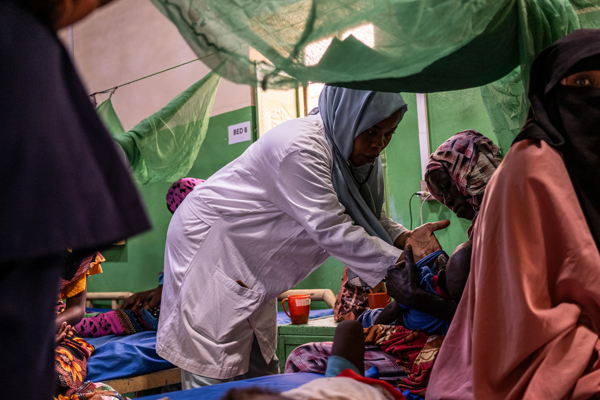
Many people avoid the towns at night because they feel they will be safer out in the fields and the bush. But here they face other dangers, such as malaria, which is a big problem. In Macomia, for example, four out of every ten adults coming to our clinics in May, and eight out of every ten children, tested positive for this deadly disease.
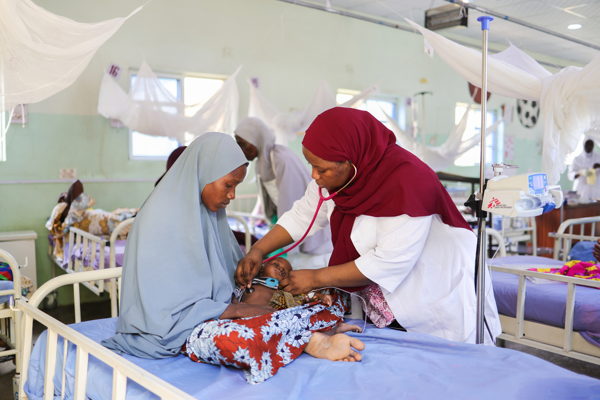
Across the province, specialist care for chronic medical conditions, such as HIV, is often unavailable, despite the prevalence of such diseases in the area. In Mueda, a hill town in the north of Cabo Delgado province, where MSF teams work in the local hospital and run mobile clinics, we have seen the condition of many patients worsen after their treatment was interrupted.
3. The crisis is taking a heavy toll on people’s mental health
The crisis in Cabo Delgado is far from over. With the violence continuing unabated, hundreds of thousands of people are suffering from the effects of fear, violence and displacement – both in terms of their physical and their mental health. Almost everyone in the region has experienced trauma of some kind during this conflict, as a result of witnessing or experiencing violence or losing their loved ones or their homes.
As long as we can ensure that our teams are safe, we will continue to strive to reach the most vulnerable people in Cabo Delgado province, wherever they are. With such huge humanitarian needs, it is critical that people can access assistance.
.jpg)
.jpg)
.jpg)
.jpg)