Malawi: After flooding, displaced Malawians are living in dire conditions
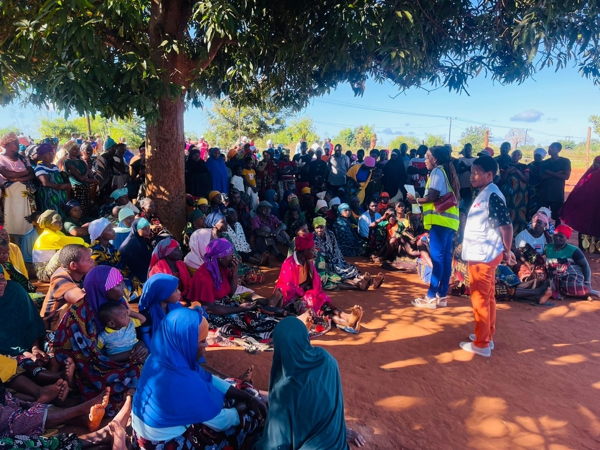
Southern Malawi – the area hardest hit by Tropical Storm Ana – is having to rebuild after destructive winds and flash flooding washed away roads, damaged power supplies and left around 32,000 families without shelter. 152,000 internally displaced people (IDPs) are now spread across 178 displacement camps in the region and are in desperate need of assistance.

“Families – some with five or more children – have lost their homes and stocks of food and are now living in camps with no shelter or in very poor conditions,” says Dr Narine Danielyan, MSF medical co-ordinator. “People have limited or no access to water, and sanitation is dire. Some camps with 2,000 people only have 10 latrines and sometimes the bathing areas are being used as latrines as well.”
On Monday 24 January 2022, Tropical Storm Ana made landfall in Malawi, directly affecting around 945,000 people, killing 45 leaving tens of thousands with no access to food or clean water. In response, the President declared a State of National Disaster just two days later.
Tropical Storm Ana is the third major storm to have affected Malawi in the last seven years. In 2015, Tropical Storm Chedza left 176 people dead and in 2019 Cyclone Idai directly affected over 920,000 people around the country, making it the second-deadliest storm on record for the Southern Hemisphere. “In Nsanje people say that Ana was worse than Idai,” says Marion Péchayre, MSF head of mission in Malawi. “Even if this is anecdotal, these destructive storms do seem to be happening more frequently, which is seriously disruptive and potentially life-threatening for many Malawians.”
While emergency efforts by the government, local authorities and local NGOs have helped to stabilise the situation, the needs of people displaced are still enormous. Poor sanitation, overcrowding in camps and stagnant pools of water pose a huge risk of disease outbreaks, especially in a district like Nsanje where cholera is endemic. An increase in malaria cases is also a concern.
“For people on chronic medication, like anti-retroviral treatment or insulin, lost or destroyed medication can mean that treatment is interrupted,” says Danielyan. “Also, people in need of urgent medical care, like pregnant women, sick children or people with injuries are not visiting health facilities, which puts them at risk of life-threatening complications. This is either because the health facilities are far away or because people are prioritising their immediate survival over their health.
“The Malawian health system, with chronic shortages of essential medication, acute shortages of health workers and damaged health facilities needs our urgent support,” Danielyan adds.
Thanks to our existing presence in the south of the country, MSF is working closely with the Ministry of Health to provide support in this region in the following ways:
Mobile Clinics
The MoH is providing healthcare support to people in IDP camps in the form of mobile clinics but is doing so at the expense of their tight annual budget, which leaves little room for emergency interventions. MSF is assisting with logistics support as well as the supply of medication and staff to stem possible shortfalls. To protect people’s dignity and offer patient privacy at the mobile clinics, MSF is looking to provide tents to several camps. Outreach teams are also assisting with epidemiological surveillance and referrals to healthcare facilities.
Water and Sanitation
Assessments conducted by our teams of several camps highlight the urgent need for toilets, showers and the supply of safe drinking water. Several team MSF team members are working on constructing latrines and ensuring water and sanitation services. Essential hygiene items like soap, sleeping mats and buckets have been distributed to people who needed it most.
Cholera Preparation
In Nsanje, thousands of people were vaccinated for cholera in 2020, which means they have a certain level of protection against the waterborne disease which often leads to severe dehydration, especially among the young and frail. This can help tremendously in reducing the risk of an outbreak. Unfortunately, the last cholera vaccinations among people in Chikwawa were in 2017, and there are currently no vaccines available in the country. At this stage our medical teams have not reported an increase in cholera cases, but we are prepared to respond and set up cholera treatment centres should an outbreak occur. The MoH is working on buying and importing more vaccines.
The MSF teams will continue doing further assessments and we will continue to provide support where the needs are greatest. Our interventions are expected to run until the end of March.
MSF first worked in Malawi in 1986. In Chiradzulu we support the district management team in running an HIV and TB programme that includes infants diagnosed with HIV. In Blantyre we run a project to screen, diagnose and treat cervical cancer, which accounts for 40 per cent of all cancers among women in Malawi.


 MSF logistician, Labana Steven inspects is seen at Bangula camp where people displaced by Tropical Cyclone Ana are residing. MSF is providing WASH facilities at the camp. Photographer: ANGELA JIMU
 Fieldworker Joseph Kachapila is seen connecting a water pipe to a pumping station at Bangula camp where MSF is providing WASH facilities for people diplaced by Tropical Cyclone Ana. Photographer: ANGELA JIMU