Bangladesh: Cuts to refugees’ food rations will have serious health impact, warns MSF

Cuts to the food rations received by around one million Rohingya refugees in Cox’s Bazar district, Bangladesh, will increase their risk of malnutrition and have a serious impact on their health, says international medical organisation Doctors Without Borders (MSF). Citing lack of funding, recently, the World Food Programme (WFP) cut rations by 17 per cent, bringing the number of calories per person to below the accepted minimum standard of 2,100 calories per day.
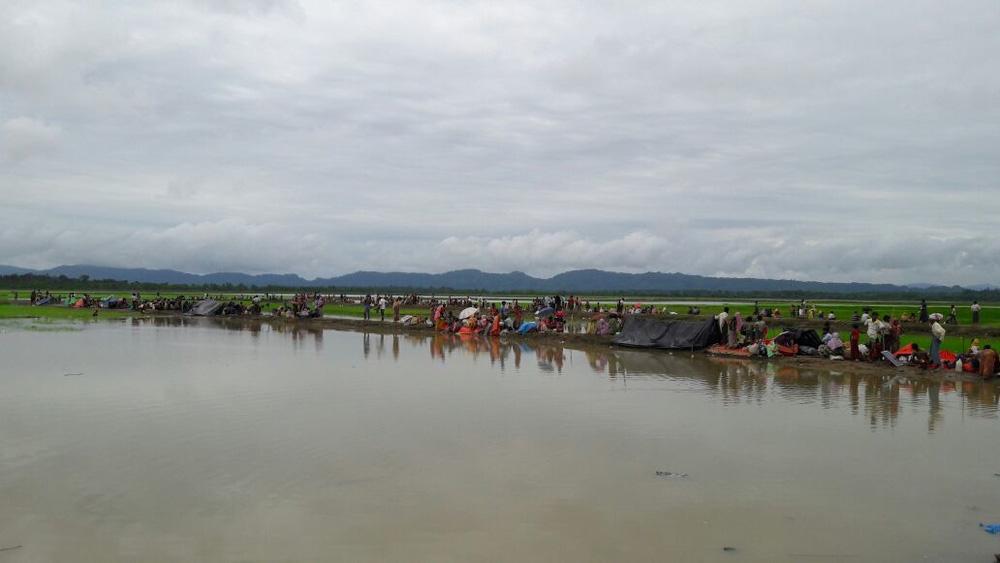
Rohingyas in the world’s largest grouping of refugee camps in Cox’s Bazar district are almost completely dependent on food assistance, as they are confined to the camps and prohibited from finding formal employment, preventing them from supplementing meagre food rations which are already below the recommended daily calorie intake.

A reduced calorie intake puts people at risk of malnutrition and anaemia and weakens their immune systems, increasing the risk of future outbreaks of infectious diseases such as measles and cholera.
Many pregnant women receiving antenatal care at MSF health facilities are already malnourished. Last year, 12 per cent of pregnant women at Kutupalong hospital and Balukhali clinic were diagnosed with acute malnutrition and 30 per cent with anaemia.
Mothers who are malnourished and anaemic are at a higher risk of experiencing complications during childbirth, while their newborn babies are more likely to have poor health outcomes. Even at the current level of food rations, 28 per cent of babies born in Kutupalong hospital and Balukhali clinic have a low birth weight, heightening their chance of becoming sick and malnourished.
Many refugees in the camps also suffer from chronic diseases such as heart disease, hypertension and type II diabetes. MSF currently provides care for a cohort of more than 4,500 patients. For non-communicable disease patients, a healthy diet is critical to managing their health conditions. Reduced access to adequate food would increase their reliance on medical care, potentially increasing demand for already overburdened health services in the camps.

Health services in the camps are already under enormous pressure as they struggle to deal with the medical impacts of people’s dire living conditions, including frequent outbreaks of scabies, dengue fever and cholera – the result of poor sanitation, stagnant water and overflowing latrines.
MSF is concerned that reducing food rations would also heighten the desperation already prevalent throughout the camps and could drive more Rohingya to undertake highly dangerous sea and land journeys in search of a better life and a more hopeful future.
“MSF is committed to providing services to the Rohingya population as long as needed, but covering more medical needs in the Cox’s Bazaar camps is outstripping MSF’s capacities,” says Claudio Miglietta, MSF country representative in Bangladesh. “Funding has gone down and the number of aid organisations working in Cox’s Bazar has declined by almost 80 per cent. Donors must reprioritise the Rohingya and reaffirm their funding commitments.”

MSF has provided medical care in the refugee camps in Bangladesh’s Cox’s Bazar district since 1992. Last year, MSF teams provided more than 750,000 outpatient consultations and admitted more than 22,000 patients for inpatient care.
PR_FINAL_EN.doc
DOC 32 KB

Seipati Moloi