YELLOW FEVER: MSF teams help curb yellow fever in Angola and DRC
DRC/Angola, 1 June 2016. In the DRC, MSF is vaccinating the entire population of the city of Matadi, while treatment and yellow fever vector control activities (extermination of the mosquitoes) are under way in Kishasa and in Kongo Central province. In Angola, MSF is supporting the Ministry of Health in treating patients.
Following the outbreak of yellow fever in Angola in December and the subsequent confirmation of dozens of cases in the DRC, MSF teams were deployed in both countries to help contain the spread of the disease. On May 19, the World Health Organization found that the outbreak, though serious and of grave concern, does not currently constitute a public health emergency of international concern. Deploying the highly effective yellow fever vaccine is key to prevent further spread, and the limited supply of the vaccine must be used efficiently.
“To eliminate any risk of the disease spreading, it is vital to be vigilant and responsive,” says Elisabetta Maria Faga, MSF emergency coordinator. “There is no specific treatment for yellow fever. Prevention through targeted vaccination and vector control measures therefore remains the best weapon against the disease.”
DEMOCRATIC REPUBLIC OF CONGO (DRC)
In the DRC, 48 cases have been confirmed since the end of February. The majority are among people arriving from Angola, but three locally transmitted were also identified in Kinshasa and in Kongo Central and Kwango provinces, near the Angolan border.
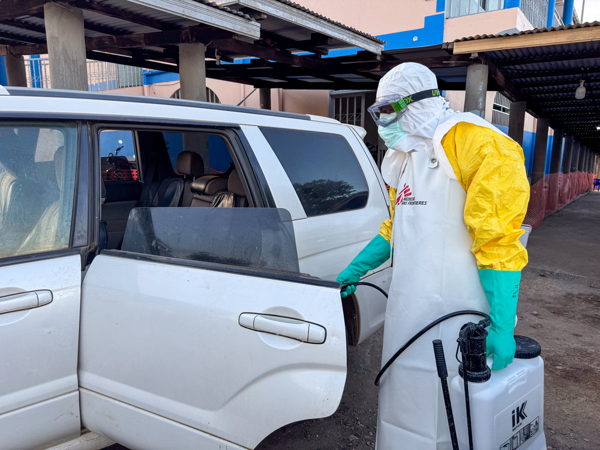
In Matadi, the capital of Kongo Central, MSF teams on 26 May launched a vaccination campaign intended for its 350,000 residents, as part of the Congolese Ministry of Health (MoH) programme aimed at a target population of two million people. This single programme covers two health districts in Kinshasa and nine health districts in Kongo Central. Also in cooperation with the Health Ministry, MSF has launched vector control measures in Kinshasa and Kongo Central. These activities are intended to combat the Aedes aegypti mosquito, the carriers of yellow fever. Homes are being sprayed or fumigated to kill adult mosquitoes and destroy breeding sites such as refuse or stagnant water. These activities are being carried out in locations where cases have been confirmed and in vulnerable locations such as hospitals, schools and markets.
MSF is also providing medical care and supplies to identified health centres and training staff in yellow fever treatment.
ANGOLA
Since mid-February MSF has been working in collaboration with Angola’s MoH, supporting yellow fever case management. MSF teams are also directly treating yellow fever patients in the capital, Luanda (Kapalanga hospital), as well as in Huambo, Huila and Benguela provinces. To date, MSF has treated 299 patients.
MSF has deployed 70 people in different teams in Angola to provide diagnostics and treatment, as well as training Angolan medical staff in case management. MSF teams are supporting the implementation of the national protocol responding to the disease and to ensure vaccination preparedness. Angola has so far reported 2,420 suspected cases (including 298 deaths), with 736 confirmed cases. Of the confirmed cases, 459 were in Luanda alone, with the rest in 13 other provinces. Angola’s MoH is conducting a mass vaccination campaign in the provinces, having already concluded a campaign in Luanda.
|
ABOUT YELLOW FEVER Yellow fever is an acute viral haemorrhagic disease transmitted by infected mosquitoes. The ‘yellow’ in the name refers to the jaundice that affects some patients. The Aedes aegypti mosquito is the principal vector of yellow fever, which also transmits dengue, chikungunya and Zika. There is no treatment for yellow fever and vaccination is the most effective method of prevention. Symptoms include fever, headache and muscle pain, with some patients experiencing a more severe phase of high fever and internal bleeding. Up to 50% of severely affected patients die within 14 days, according to the World Health Organization.
|


 General view of Matadi, Democratic Republic of Congo. Photographer: MSF
 Medecins Sans Frontieres (MSF) staff member empties a water tank in Ndjili area in Kinshasa, during an operation to find and irradiate areas where mosquitoes breed. One case of yellow fever was detected in the neighborhood. Photographer: MSF
 People are vaccinated against Yellow Fever by Medecins Sans Frontiers (MSF) in a church under construction in Matadi, DRC. Photographer: MSF
 People are vaccinated against Yellow Fever by Medecins Sans Frontiers (MSF) in a church under construction in Matadi, DRC. Photographer: MSF
 People are vaccinated against Yellow Fever by Medecins Sans Frontiers (MSF) in a church under construction in Matadi, DRC. Photographer: MSF
 People queue to be vaccinated against yellow fever by A Medecins Sans Frontieres (MSF) in a school in Matadi, Democratic Republic of Congo. Photographer: MSF
 People wait to be vaccinated against Yellow Fever by Medecins Sans Frontiers (MSF) in a church in Matadi, DRC. Photographer: MSF
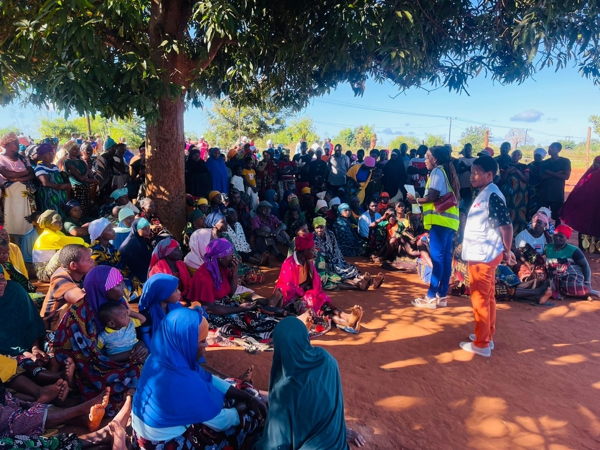
 Two Medecins Sans Frontieres (MSF) staff members during a community outreach programme on Yellow Fever in the Ndjili neighborhood, Kinshasa, where a case was detected. Photographer: MSF