FRESH & POWERFUL PHOTOS: The daily reality of living conditions for the Rohingya in Bangladesh
Since late August 2017, more than 693,000 Rohingya refugees have arrived in Cox's Bazar district in south-eastern Bangladesh after fleeing violence in Rakhine State in Myanmar.
The refugees - from a minority Muslim group denied citizenship and other rights in Myanmar - have settled in existing settlements in Bangladesh. Due to the influx of people, authorities have set up additional makeshift settlements and new camps in the region, in an effort to cope with this humanitarian crisis.
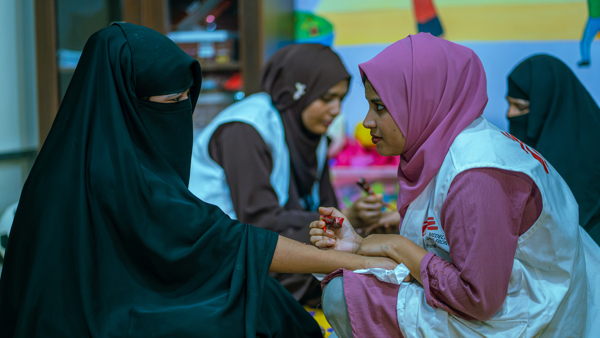
To update you on the current situation faced by the Rohingya in Bangladesh, we share with you a selection of FRESH and POWERFUL High Res photographs taken by photographer Pablo Tosco. The photos focus on the daily reality of living conditions for the Rohingya and medical activities run by Doctors Without Borders (MSF).
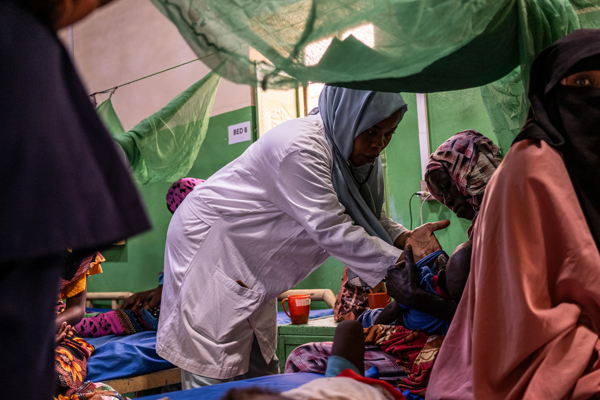
One of the most significant stories is that of the many children who have been admitted to the MSF hospital in the camp after contracting infections from unhygienic birth practices, and the unsanitary living conditions in the camp during their first days of life.
Some of the photos also depict the ongoing preparations for the rainy season in the camps. Rohingya refugees are once again in a situation of extreme vulnerability with scarce food, lack of drinking water, fragile housing, overcrowding and the risk of floods and landslides.
In addition, we offer you interview opportunities with our MSF colleagues on the ground and our Anna Cilliers, a South African nurse who will soon return to Bangladesh for a second assignment.
.jpg) A group of refugees fill and transport bags of earth to strengthen the foundations of their fragile shelters, in preparation of the rains, winds and floods during the monsoon season. Photographer: Pablo Tosco
A group of refugees fill and transport bags of earth to strengthen the foundations of their fragile shelters, in preparation of the rains, winds and floods during the monsoon season. Photographer: Pablo Tosco.jpg) Ansar and her three-month-old son Salim Ullah inside the MSF hospital in Goyalmara. Photoghrapher: Pablo Tosco
Ansar and her three-month-old son Salim Ullah inside the MSF hospital in Goyalmara. Photoghrapher: Pablo Tosco.jpg) A group of Rohingya refugees wait in line for food distributions in the Kutupalong camp. Photographer: Pablo Tosco
A group of Rohingya refugees wait in line for food distributions in the Kutupalong camp. Photographer: Pablo Tosco.jpg) A group of Rohingya refugees wait in line for the assignment of their new homes in the Kutupalong camp, Cox's Bazar. Photographer: Pablo Tosco
A group of Rohingya refugees wait in line for the assignment of their new homes in the Kutupalong camp, Cox's Bazar. Photographer: Pablo Tosco.jpg)
.jpg)
.jpg) Ansar and her three-month-old son Salim Ullah inside the MSF hospital in Goyalmara. Photographer: Pablo Tosco
Ansar and her three-month-old son Salim Ullah inside the MSF hospital in Goyalmara. Photographer: Pablo Tosco.jpg) Halima and her mother wait in the rain for a distribution of food in Jatmoli refugee makeshift settlement. Photographer: Pablo Tosco
Halima and her mother wait in the rain for a distribution of food in Jatmoli refugee makeshift settlement. Photographer: Pablo Tosco.jpg)
.jpg)
.jpg)
.jpg) MSF’s midwife Nina Egger with patients Nur and Amina, at an MSF clinic in the Hakimpara refugee makeshift settlement. Photographer: Pablo Tosco
MSF’s midwife Nina Egger with patients Nur and Amina, at an MSF clinic in the Hakimpara refugee makeshift settlement. Photographer: Pablo Tosco.jpg) Rozia and her two-month-old son Zubair in the MSF hospital in Goyalmara. Many of the children admitted to the hospital have contracted infections from unhygienic birthing practises, and the unsanitary living conditions in the camp during their first days of life. Photographer: Pablo Tosco
Rozia and her two-month-old son Zubair in the MSF hospital in Goyalmara. Many of the children admitted to the hospital have contracted infections from unhygienic birthing practises, and the unsanitary living conditions in the camp during their first days of life. Photographer: Pablo Tosco.jpg) Rozia and her two-month-old son Zubair in the MSF hospital in Goyalmara. Many of the children admitted to the hospital have contracted infections from unhygienic birthing practises, and the unsanitary living conditions in the camp during their first days of life. Photographer: Pablo Tosco
Rozia and her two-month-old son Zubair in the MSF hospital in Goyalmara. Many of the children admitted to the hospital have contracted infections from unhygienic birthing practises, and the unsanitary living conditions in the camp during their first days of life. Photographer: Pablo Tosco.jpg) With the arrival of the rainy season, Rohingya refugees are once again in a situation of extreme vulnerability with scarce food, lack of drinking water, fragile housing, overcrowding and the risk of floods and landslides. Photographer: Pablo Tosco
With the arrival of the rainy season, Rohingya refugees are once again in a situation of extreme vulnerability with scarce food, lack of drinking water, fragile housing, overcrowding and the risk of floods and landslides. Photographer: Pablo Tosco