PHOTO STORY: Thousands displaced from their homes in Tanganyika Province, DRC
Tanganyika, Democratic Republic of Congo (DRC)
It has been almost a year since intercommunual fighting erupted in Tanganyika Province, Democratic Republic of Congo (DRC), forcing thousands of people from their homes. Many live in informal settlements, with limited access to healthcare and face shortages of food, water and shelter.
Nearly half a million people were displaced between July 2016 and March 2017 due to violence, according to UN estimates. Over 44,000 are living in settlements around the city of Kalémie.
This precarious situation has worsened in July with renewed fighting around Kalémie, a town on the western shore of Lake Tanganyika in the DRC. Some camps have been set alight, and people have been forced to flee again with whatever little they can carry. Around 21,000 people have sought safety in the city of Kalémie and are now sheltering in overcrowded school buildings and compounds.
Doctors Without Borders (MSF) has been supporting local health authorities of Kalémie since April. After fighting broke out, teams increased their support by providing water and running mobile clinics.
“People stopped in the first safe place they found – schools - which are empty due to the holidays. The people living here have no idea what will happen to them if they don’t find shelter by the time the term starts again”, says Stéphane Reynier de Montlaux, MSF emergency coordinator in Tanganyika.
MSF has been working in Democratic Republic of Congo since 1981. Since April 2017, MSF teams in Tanganyika province have been undertaking a measles vaccination campaign and addressing high levels of malnutrition among people displaced from their homes and the host communities.


 People have been forced to flee with what little they can carry. Photographer: Stéphane Reynier de Montlaux/MSF
 “People stopped in the first safe place they found – schools empty for the holidays. The people living here have no idea what will happen to them if they have not found shelter by the time the term starts again”, says Stéphane Reynier de Montlaux, emergency coordinator in Tanganyika. Photographer: Stéphane Reynier de Montlaux/MSF
 People have no choice but to sleep outside under mosquito nets, the only shelter they were able to bring with them. Photographer: Stéphane Reynier de Montlaux/MSF
 Around 21,000 people have sought safety in Kalémie town, and those who have no relatives or friends to help them are sheltering in overcrowded school compounds. Photographer: Stéphane Reynier de Montlaux/MSF
 The internally displaced people living around Kalémie have limited access to healthcare and safe drinking water. They face shortages of food, and proper shelter is one of their main concerns. Longer-term solutions to address these issues need to be found. Photographer: Stéphane Reynier de Montlaux/MSF
 Many of the children are suffering from malaria, respiratory infections and malnutrition. Photographer: Stéphane Reynier de Montlaux/MSF
 MSF has been working with the local authorities in Kalémie since April and in the hours and days after the fighting broke out our teams increased their support. They began trucking in drinking water and running mobile clinics to meet the needs of the newly displaced. Photographer: Stéphane Reynier de Montlaux/MSF
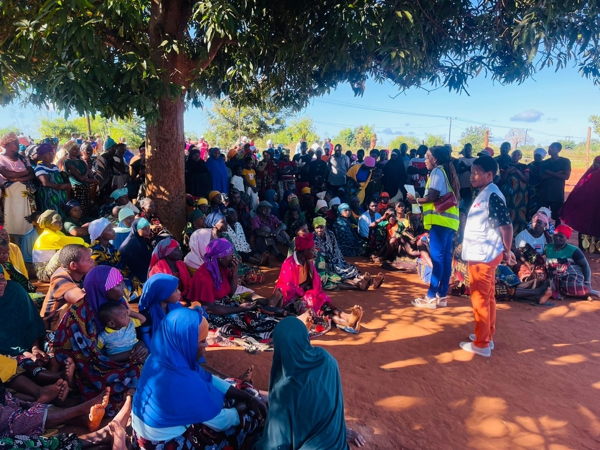
 The displaced are worried and upset. They have nowhere else to go. As part of its response, MSF meets with those in charge of the settlements and the heads of the families so that they can explain their needs and express their concerns. Photographer: Stéphane Reynier de Montlaux/MSF