NIGERIA: COVID-19 exacerbates poor access to healthcare
In Nigeria, poor access to healthcare has been exacerbated by COVID-19 and when a pandemic like COVID-19 takes up much of the Ministry of Health resources, this means that other activities like vaccinations against preventable diseases have been deprioritised.
“For me personally, I am so worried about Nigeria. It is a huge country with huge population. It is the most populous country in Africa with over 200 million people. In places where we work, there is poor access to healthcare and it’s really prone to outbreaks of measles, meningitis and under malnutrition,” says Mark Sherlock, Doctors Without Borders (MSF) Health Advisor for Nigeria.
In northwest Nigeria MSF is concerned about a possible measles outbreak which is evolving, and with the rainy season, cases of malaria are increasing.
“It is getting very difficult as people are afraid to access healthcare because of COVID and it is difficult to respond to other ongoing outbreaks during COVID because we need personal protective equipment to protect our staff while responding to vaccination campaign for measles,” Sherlock adds.
Doctors Without Borders (MSF) teams have been however working to ensure care continues for other needs despite the challenges.
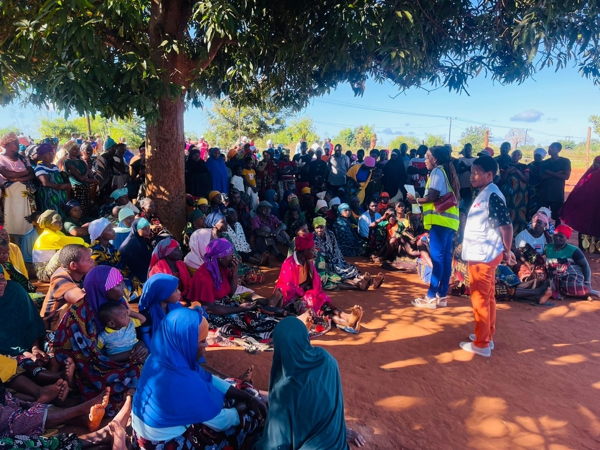
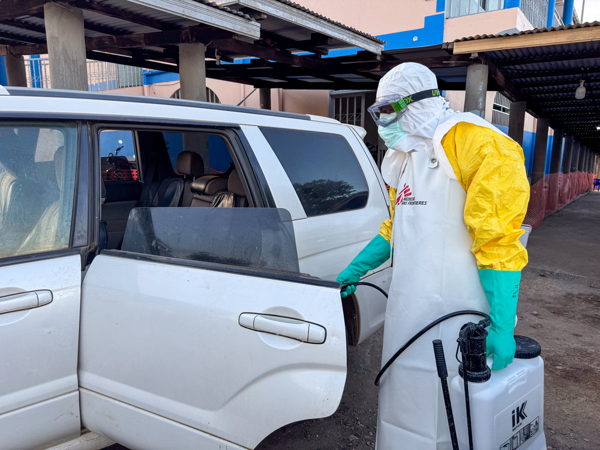
At the moment, MSF teams have prioritised some of the projects so that core activities are kept open especially those in Internally Displaced People (IDPs) camps, paediatric hospital and our ability to respond to emergencies. The teams have increased health promotion messaging, water and sanitation aspects of the projects, showers and toilets, water points, shelters, cleaning of these spaces to protect communities from COVID and ensured staff have appropriate protective equipment to continue with the lifesaving care.

%20(1).jpg)
%20(1).jpg)