MADAGASCAR: Health promotion activities key in MSF's response to plague outbreak
How do you inform people about what the plague is? What are the symptoms that need to be identified? And how do you dispel rumours that the plague does not exist?
Making sure people are properly informed is one of the major challenges of MSF’s work in Madagascar. Emmanuelle Bricq is the Health Promotion Supervisor for MSF’s Madagascar mission. She has worked with MSF during other epidemics and explains the importance of raising awareness among the population.
What do health promoters do during a plague epidemic?
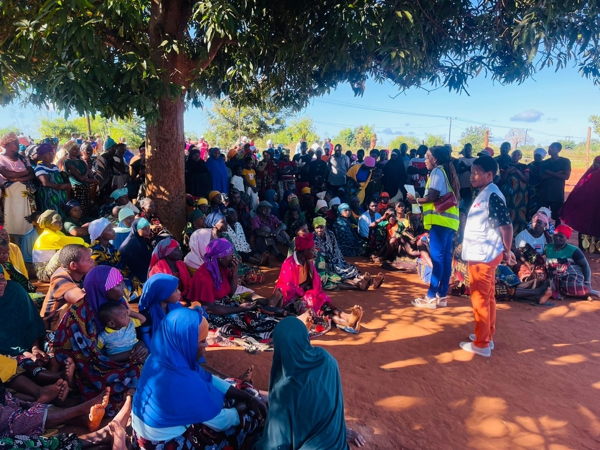
Health promoters are the link between the population and MSF plague treatment services. We work on the social impacts of the epidemic and the well-being of patients in the treatment centres, ensuring they have the correct information and preparing them for when they are discharged in order to avoid stigmatisation. We also work with the community to raise awareness and improve understanding. We check where people arriving at the centre are from, then we contact the community leaders in those areas. We explain what the plague is, how to prevent it, what the symptoms are and what to do if they see any worrying signs. We answer a lot of questions to clear up misconceptions and to reassure people.
What difficulties do you and your team face?
During this epidemic, many harmful rumours have circulated in the city of Toamasina. People have a strong distrust of medical staff and the main rumour we have to deal with is the claim that the plague does not exist, that it is a fiction. Some people also think that the plague can be caught in the street, even if you don’t come into contact with someone. When we enter a new area, we have to meet with local leaders before having any contact or meetings with the population. This can slow down the community work significantly.
How essential is the work of health promoters during a plague epidemic?
Health promotion work is vital during any epidemic, not just plague epidemics. It is important that people know when they need to react and that there is free medical care available. During a plague epidemic, people are so afraid – they are even afraid of going to a hospital if they have some other illness – that talking with the community and answering their questions is essential.
You previously participated in a response to a yellow fever epidemic in the Democratic Republic of Congo (DRC). How would you compare your work there to your work in Madagascar?
The work itself is pretty similar: informing people and dispelling their fears. In the DRC, there were many rumours and the same is true when battling the plague in Madagascar. However, here in Madagascar, MSF is not as well-known as it is in the DRC. We are associated with the government in the minds of the population, so we need to work on being more accepted. This makes the work is more difficult as we are not immediately trusted by the local leaders. But when we meet with them and answer their questions, we are able to communicate effectively with them.