Fleeing a new wave of violence in northern Mozambique
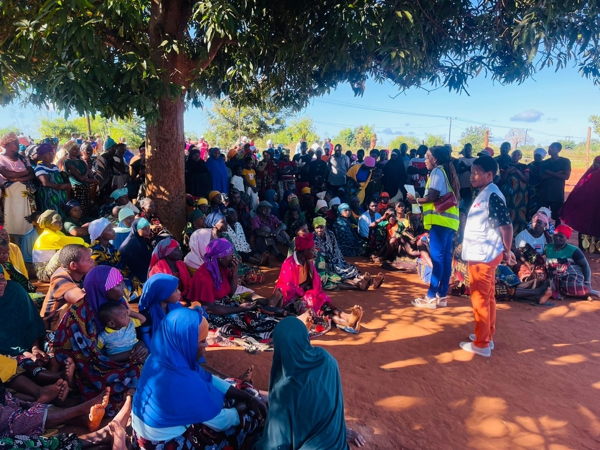
Between early June and July, over 80,0001 people have been displaced in Cabo Delgado, northern Mozambique, following attacks and rumours of attacks. This is the testimony of three of them who found shelter in a settlement situated on the outskirts of the city of Montepuez.
Abdalla Antonio
“We’re starting from scratch here. We need many things because we left everything we had behind. I fled Ancuabe with my two children. At the moment, I don't know where their mother is. When my village was attacked, each one of us fled in a different direction and I still haven't been able to get in touch with her. I hope she will call me, that she will remember my number, so we can all reunite.”
Maria Maleve
“I recently arrived in the community of Mumane, in the district of Montepuez, from Ancuabe. The day there was an attack in my village, I fled towards Montepuez and my husband towards the capital, Pemba. I had a 'machamba' —land for growing food— where I planted rice, sugar canes, banana trees... and I left everything behind; I only came with the clothes I am wearing now. Despite that, here we are fine, because there we lived in fear all the time. At the moment, I am also looking after an orphaned child, whose father was killed and whose mother was kidnapped. My dream is that this war will end, and we can return to our land.”
Sumail Afonso
“My house was completely burnt down. I came here from Ancuabe with my two daughters. When my village was attacked, my family members fled to different places and today I don’t know the whereabouts of many of them. Despite this, I feel more at ease and safe here in Montepuez, since in Ancuabe I lived with the constant fear of losing my life.”
.jpg)
.jpg)
.jpg)
.jpg)
.jpg)
.jpg)
.jpg)