DRC: MSF treats 17,000 people in one of the largest national cholera outbreaks
Since the cholera epidemic in the Democratic Republic of Congo (DRC) was declared on 9 September Doctors Without Borders (MSF) has treated 17,000 people after setting up around 30 units and treatment centres. The outbreak has already spread across 20 provinces, a situation never seen before in the country, and has not yet been brought under control. MSF is urging for increased prevention and awareness-raising activities, as well as the need for more organisations to get involved in the response to tackle the epidemic.
The outbreak, one of the most virulent in recent years, erupted in Junein North Kivu province andhas so far affected to 20 of the country's 26 provinces, reaching epidemic proportions in 11. More than 24,000 people have been affected and 500 deaths have been reported. Cholera is endemic in 6 provinces of the country, but the drought of recent months and the high mobility of the population in certain areas have resulted in a faster spread and a greater impact, with 28 percent more cases than in 2016. The last week of August only, the World Health Organization (WHO) reported up to 1,500 cases.
"We are carrying out a wide response to cover the most affected areas of the country, and the number of patients in our centres has declined in recent weeks”, says Cisco Otero, MSF head of mission in DRC. “However, what has become evident is the urgent need to develop prevention measures, like vaccination and water sanitation in the areas where cholera is endemic, to avoid outbreaks of this magnitude and prevent their spread."
Since the beginning of the year, MSF's response has been focused on establishing cholera treatment units and centres and also making donations of material in the provinces where cholera is endemic and where the disease has spread. MSF is present in the provinces of Kwilu, Haut-Lomami, Central Kongo, Tanganyika, North Kivu, South Kivu, Ituri, Bas Uélé and Maniema. In recent days, new activities have also started in Haut-Lomami and extended in South Kivu.
"Containing the epidemic is the main priority”, said Otero. “The rainy season is coming and that can spread the virus even faster and lead to a critical situation."
South Kivu province has been the most affected in the last week. There, MSF has received an unusually high number of patients in endemic areas and in its permanent structures in the capital, Bukavu, in Baraka and Sebele, as well as in smaller places like Minova, Kabare, Katana, Idjwi-Kihumba, Lulimba, MissiandNyange. In all of these locations, the risk of disease spread is enormous, due to the large concentration of people and its geography, which almost forces people to obtain non-potable water from the lake. Minova is the town most affected, with more than 1,400 people treated.
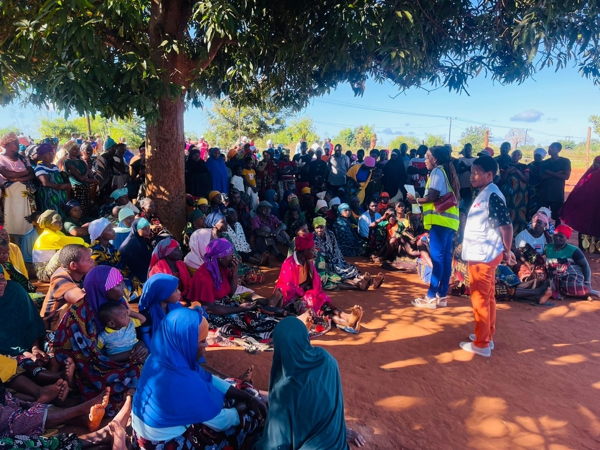
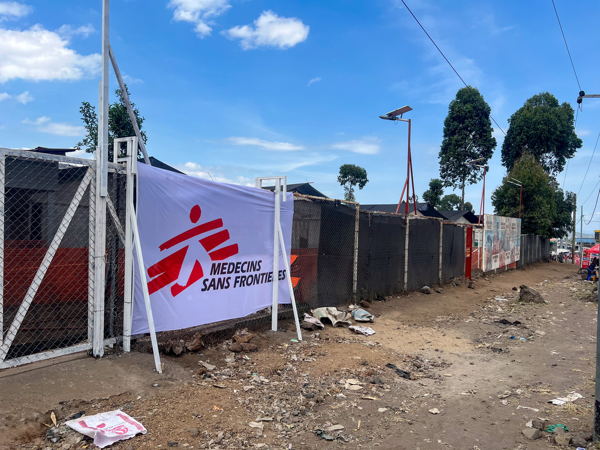
In Goma, North Kivu, where cholera is endemic, MSF has a permanent project running two cholera treatment centres. Since the beginning of the outbreak, MSF has opened another six CTCs in the city, is doing community health promotion, has established multiple rehydration points and doing water treatment.
The size of the current outbreak in this location is partly due to a long dry season and technical problems with water supply, on top of pre-existing poor sewage facilities and a deficient water supply system.
These elements, poverty and lack of information in the community make an epidemic more likely. The city is also on the shores of Lake Kivu, and a majority of the population is obliged to take water directly from the lake, despite the pollution by human waste. Between June 26th and September 21st, 6287 patients have been treated and 18 people have died in the worst epidemic that the region has seen since 2012.
Since early September, MSF has also intervened in the health area of Mulongo, after the outbreak in August. Mulongo is located in the province of Haut-Lomami, where the epidemic began in May 2017 in the lake areas, and then spread along the Lulaba River until reaching the city. On 15 August, the Mulongo cholera treatment centre opened. Most of the patients are fishermen living in the islets of the lake, three hours away by canoe. Supply is a challenge in the area, with significant logistical constraints. As of today, there is no international organisation present in the province to respond to the epidemic. MSF teams support the treatment centre and have also provided five additional oral rehydration points, in addition to the provision of safe drinkable water. In Mulongo, 844 patients have been treated, and 15 fatalities reported. MSF has also built chlorination points along the lake and conducts surveillance and awareness activities.
In Tanganyika, cholera is endemic and the current number of cases corresponds to levels seen in past years. However, the rainy season has not yet begun and with around 100,000 displaced people living in makeshift camps and schoolyards in and around Kalémie, there is a very high risk that the disease will spread rapidly if conditions deteriorate. In the last week, 84 cases of cholera were reported and are being treated by the Ministry of Health in Kalémie general hospital, which MSF supports with rehabilitation, training and donations. MSF teams in the Kalémie area are preparing a vaccination campaign with local authorities and they will increase their sanitation activities. Other teams are evaluating the situation at Manono, Ankoro and Kongolo, along the Lualaba River.
Finally, in February and March, MSF treated 332 cholera patients in Matadi and Kimpese (Kongo Central) before transferring their activities. Unfortunately, some actors didn’t respect their commitments and the outbreak returned again a few weeks later, spreading on a regional level and MSF teams had to return to Kimpese. Nearly 1,700 people were hospitalized in the treatment centre and 897 consultations were carried out.
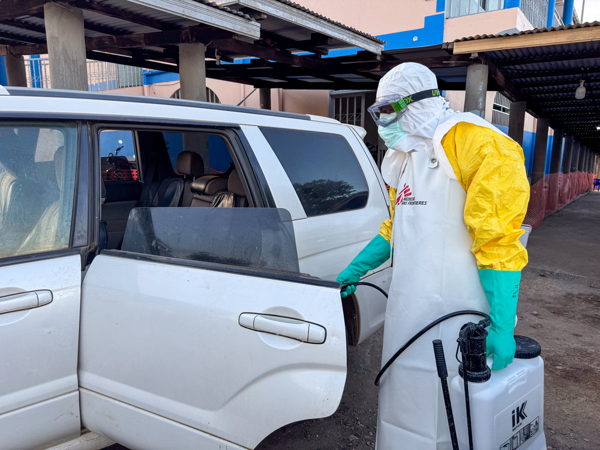
A cholera treatment centre (CTC) is vital for treating people with severe cholera. It is a facility where patients can be stabilized and treated, and where strict hygiene measures prevent the disease from spreading. It also offers patient treatment and stabilization services. The onset of cholera in a patient is very abrupt, so it is important to detect and treat cases as soon as possible. Dehydration arises very quickly and can cause death if not treated immediately and in the right way by administering fluids and oral rehydration salts. Most patients can be treated orally and only in cases of severe dehydration fluid administration is done intravenously.


 Cholera Treatment Centre at the General Hospital in Minova set up by MSF team in collaboration with the Ministry of Health. The centre has a capacity of 100 beds. Photographer: Arjun Claire
 Elisabeth Chihemba sits quietly next to her three-year-old son, Elris Kamo, who is suffering from severe dehydration and is barely able to move. Photographer: Arjun Claire
 Minova sits next to Lake Kivu, which is likely to be contaminated. But despite knowing that it may harbour contagious microbes, many people have no option but to draw water from it. Photographer: Arjun Claire
 Two children who have almost recovered at the cholera treatment centre in Minova. They are waiting for the doctor for a final check-up before they are discharged. Photographer: Arjun Claire