Zimbabwe: Communities find innovative ways to deal with Cholera
Zimbabwe
Preventing outbreaks with longer term solutions
Doctors Without Borders (MSF) has been responding to recurrent outbreaks of cholera and typhoid in Zimbabwe, particularly in Harare, since 2008. In 2018 alone, MSF has supported the response to eight outbreaks of cholera and typhoid across the country.
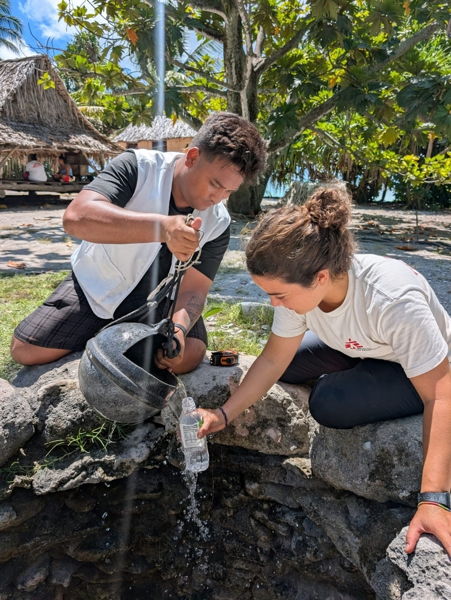
Since 2015, MSF has been developing solutions to bring safe, clean water to vulnerable communities in high density suburbs in Harare. Teams have been drilling new boreholes and upgrading existing ones to help prevent waterborne diseases in the city.
A crucial element of these efforts has been empowering communities to manage and maintain water points through trained community health clubs. Committee members oversee the provision of clean water to members who contribute a small monthly fee to pay for chlorine and maintenance of the points. Over 70 rehabilitated boreholes are now managed by more than 60 community health clubs in 13 high density residential suburbs in Harare.
The importance of community health clubs
When the outbreak began in September, the importance of the community health clubs – particularly those in the most cholera affected suburbs including Glenview, Budiriro, Mbare and Glen Norah – became very apparent. Members trained in water and hygiene safety immediately started conducting door to door health education campaigns and sharing knowledge with their communities to prevent the further spread of cholera.
“When the outbreak was declared, we already had information. We had learnt about the causes of cholera and ways of preventing it. We had clean water which we were treating. So we immediately started to teach others in the community about the disease,” said Rachel Marodza, a member of the Kuwirirana community health club in Glenview.
These health promotion activities, and the provision of clean water may likely have prevented some members of these communities from being affected by cholera. An initial survey conducted by MSF of 16 community health clubs covering more than 8,000 people in the four most affected suburbs found only 4 suspected cholera cases. As the outbreak progressed, a significant number of new community members signed up to receive clean water. Follow up continues of the remaining 45 community health clubs.
“In our area, we haven’t seen anyone with cholera, while others nearby – who don’t fetch water from our water point – were infected,” said Caltas Hlerima, a community-based facilitator for Kuwirirana Community health club.
As the cholera outbreak subsides, the importance of sustainable water solutions to ensure a continuous supply of clean drinking water is vital. MSF will continue to provide emergency support during outbreaks, while building longer term solutions – owned by communities themselves – for the future.
MSF has been working in close collaboration and partnership with the Zimbabwean Ministry of Health and Child Care (MoHCC) since 2000. MSF has supported the implementation of medical programmes, supported the piloting and scale-up of innovative solutions for increasing access to quality medical care, and provided medical care during emergencies.
MSF is an international, independently funded medical humanitarian organisation that provides assistance to communities in need.

 “When the cholera outbreak was declared, we immediately started to teach others in the community about cholera,” said Mrs Rachel Marodza, a member of the Kuwirirana Community Health Club in Glenview, Harare, who was taught about hygiene by MSF.
MSF introduced and facilitated the creation of more than 60 Community health clubs in high density areas of Harare since 2015 to promote sustainable water, sanitation and hygiene interventions. Photographer: Gloria Ganyani/MSF
“When the cholera outbreak was declared, we immediately started to teach others in the community about cholera,” said Mrs Rachel Marodza, a member of the Kuwirirana Community Health Club in Glenview, Harare, who was taught about hygiene by MSF.
MSF introduced and facilitated the creation of more than 60 Community health clubs in high density areas of Harare since 2015 to promote sustainable water, sanitation and hygiene interventions. Photographer: Gloria Ganyani/MSF A water point managed by members of the Kuwirirana Community Health Club in Glenview, Harare. Kuwirirana community health club is one of 60 community health clubs in high density areas of Harare created by MSF since 2015 to promote sustainable water, sanitation and hygiene interventions. Photographer: MSF